Built for the people of St. Paul.
It's time they had a say.
In 1931, the First National Bank Building opened with an enclosed walkway seventeen stories above the street, connecting it to the neighboring Merchants Bank Building — often cited as one of the earliest modern skyways in the United States. It was private, but it planted the idea.
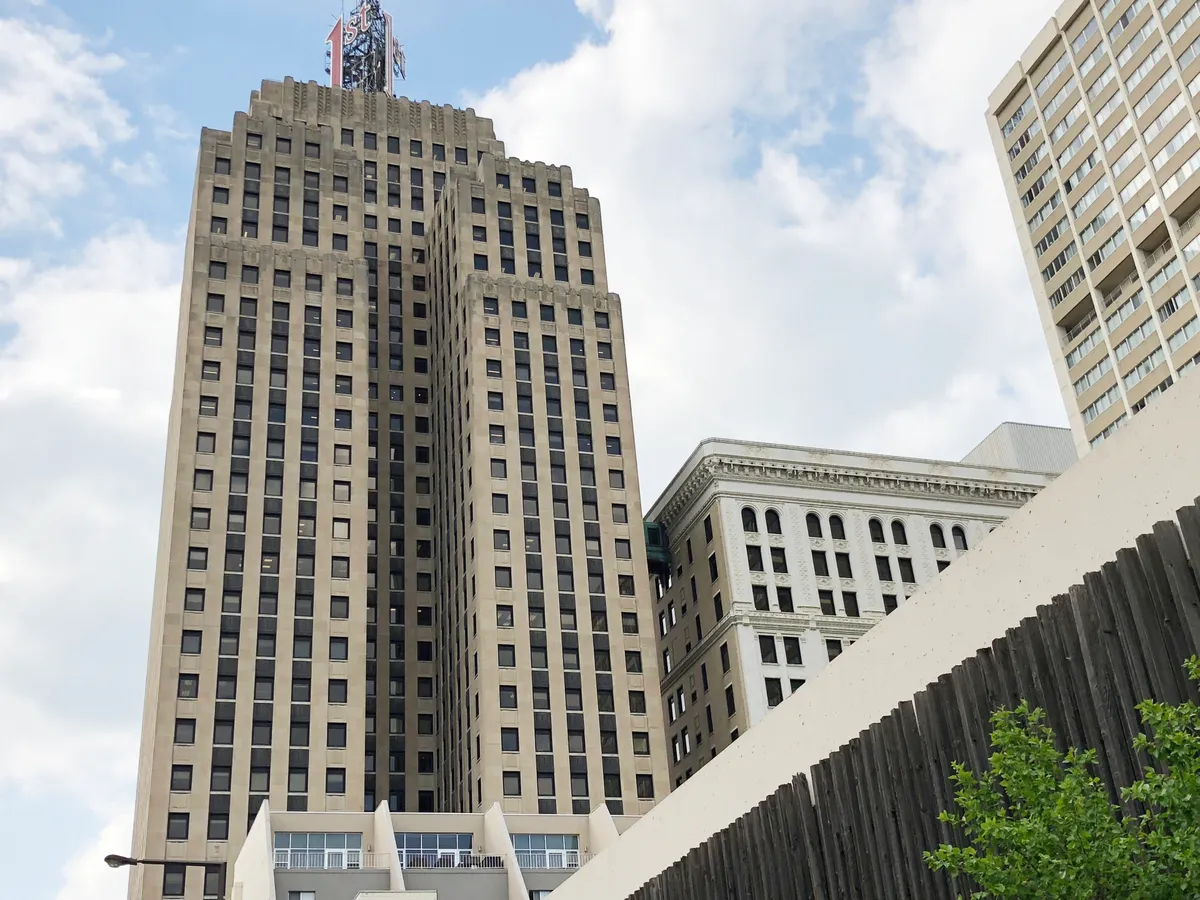
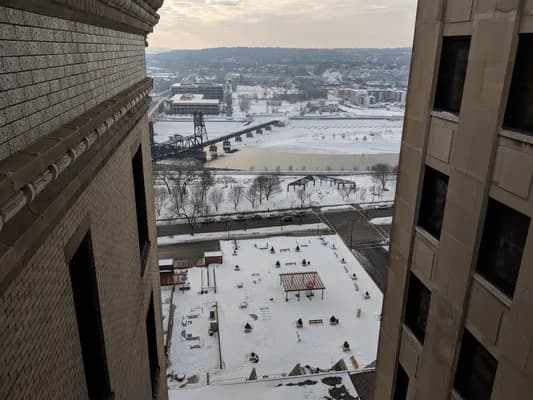
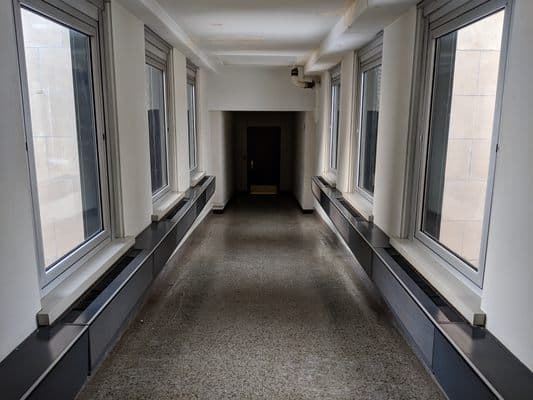
Photos: typosinkeye / Atlas Obscura
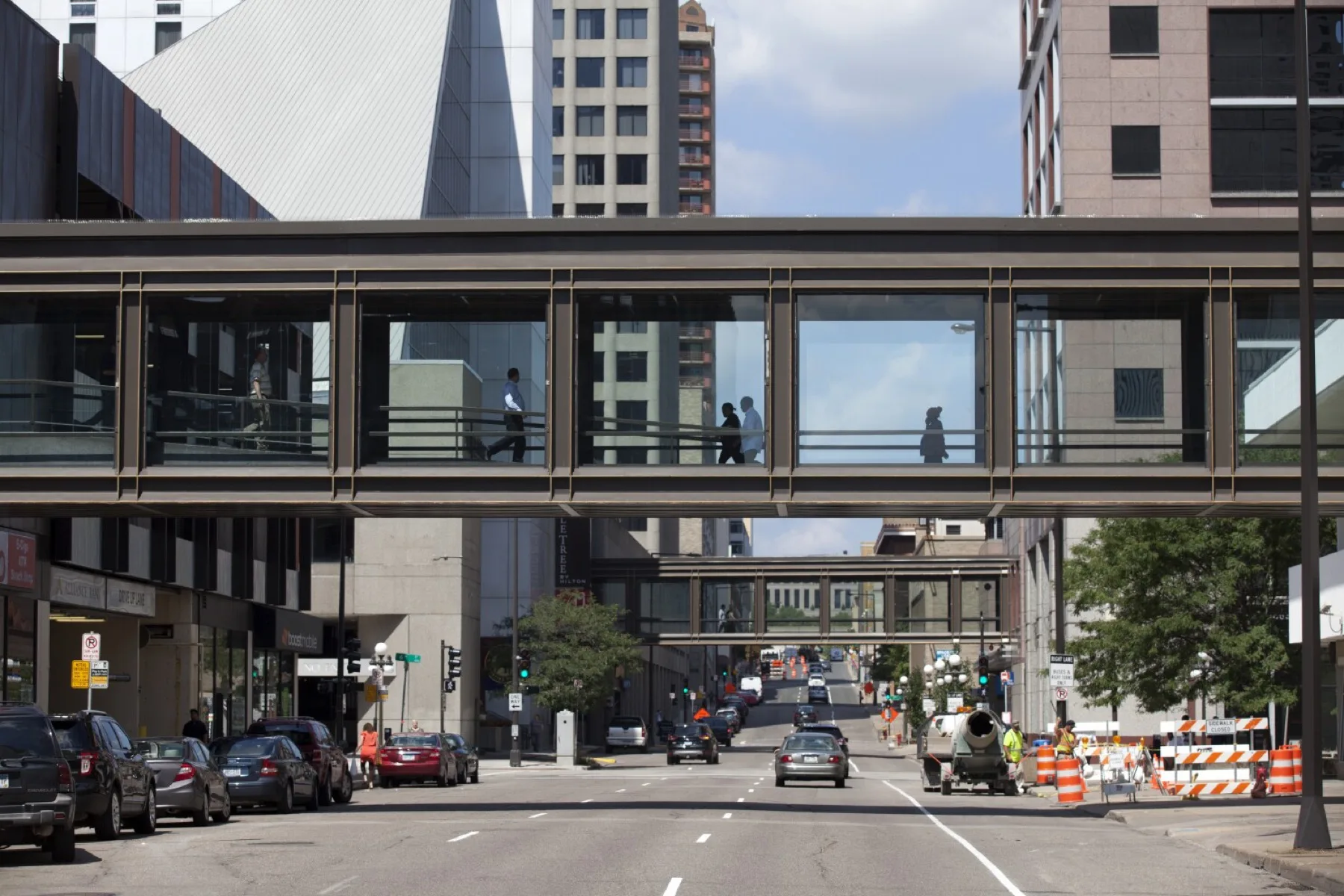
By 1967, the city formalized the idea — connecting two downtown buildings with a publicly owned enclosed pedestrian bridge, the first link in what would become the largest publicly owned skyway system in the world. Five miles of glass corridors, two stories above the street, connecting 47 blocks across the heart of the city.
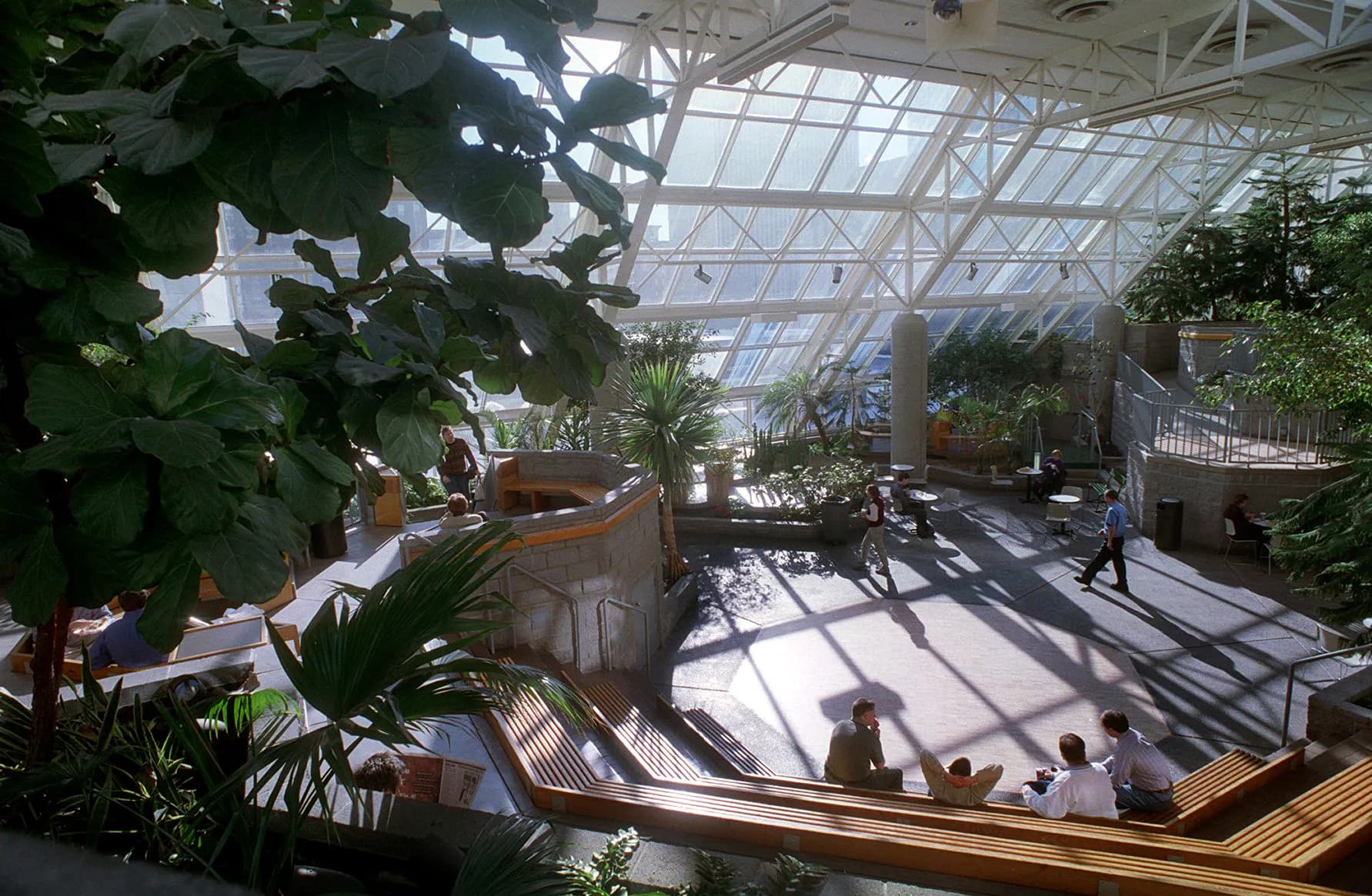
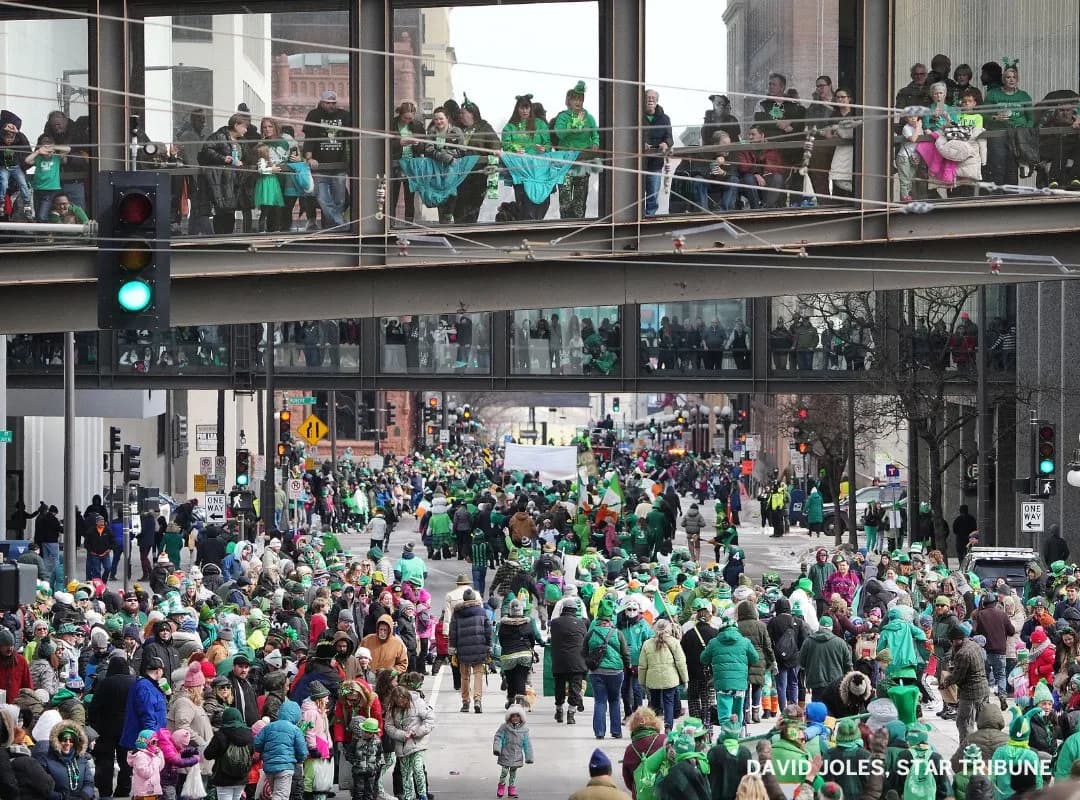
For decades, the skyway was downtown's lifeline. Workers commuted through it. Families shopped in it. Residents lived their daily lives inside these corridors through Minnesota's most unforgiving winters. Unlike Minneapolis's privately owned system, St. Paul's skyway was built with public dollars and maintained as public infrastructure — a bold experiment in urban design that said this space belongs to everyone.
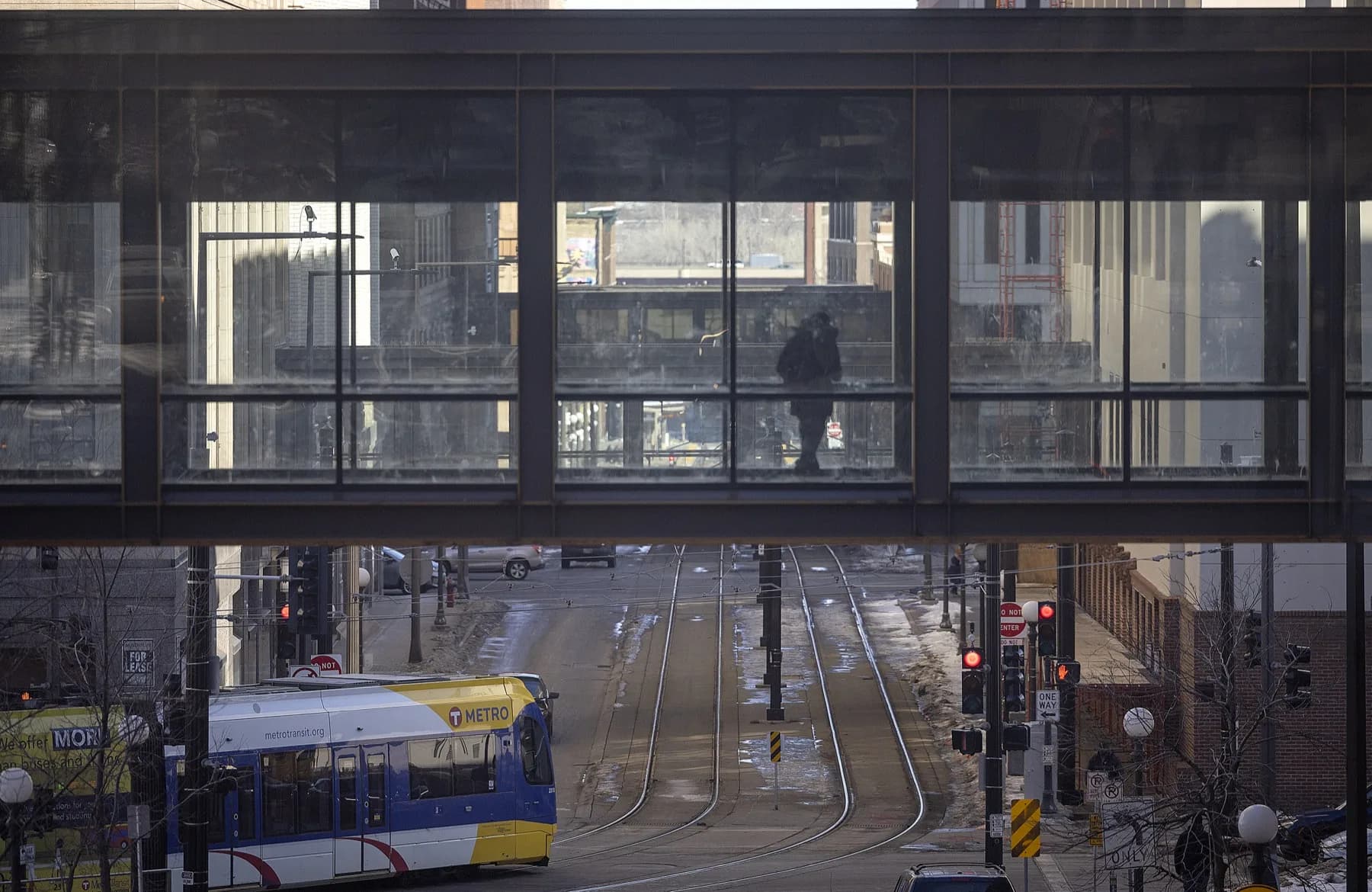
Today the system faces its greatest challenges. Building closures have severed critical connections. Maintenance disputes between the city and property owners leave sections in disrepair. Decisions about the skyway's future are being made — but the people who walk these corridors every day haven't had a seat at the table.
Friends of the Saint Paul Skyway was formed to change that. We are the residents, workers, business owners, and visitors who believe this system is worth preserving, worth expanding, and worth fighting for.